
Water-based lacquers
Product description
Water-based lacquers, as the name suggests, use water as a solvent. This is the foundation of the ecological nature of finishes made with this type of product. The product contains little to no volatile organic solvents, making it an environmentally friendly and user-safe solution.
The properties of surfaces finished with water-based lacquers are comparable in quality to those obtained with conventional lacquer systems. With the new regulations aimed at reducing volatile organic solvent content, the use of water-based lacquers continues to expand.
Main features
- Strong ecological character
- Minimal or zero volatile organic solvent content
- Final quality comparable to conventional lacquers
- Low odor during application
- Complies with European environmental standards
- Wide range of applications and finishes
Special considerations
When applying water-based lacquers, the specific properties of the material must be taken into account. It is very important to protect the product from freezing. Equipment, containers, and tools that come into contact with the lacquer must withstand permanent contact with water and therefore be made of corrosion-resistant materials.
Field of use
Ideal for indoor furniture, children's toys, public spaces that require low-emission materials, and any project where minimizing environmental impact is a priority. Recommended for both professional and DIY use.
Application instructions
Surface preparation
The surface must be perfectly clean, dry, and properly sanded. Remove all sanding dust completely. The wood moisture content should be between 8–12%. For open-pore wood species, it is recommended to apply a dedicated water-based filling primer.
Application
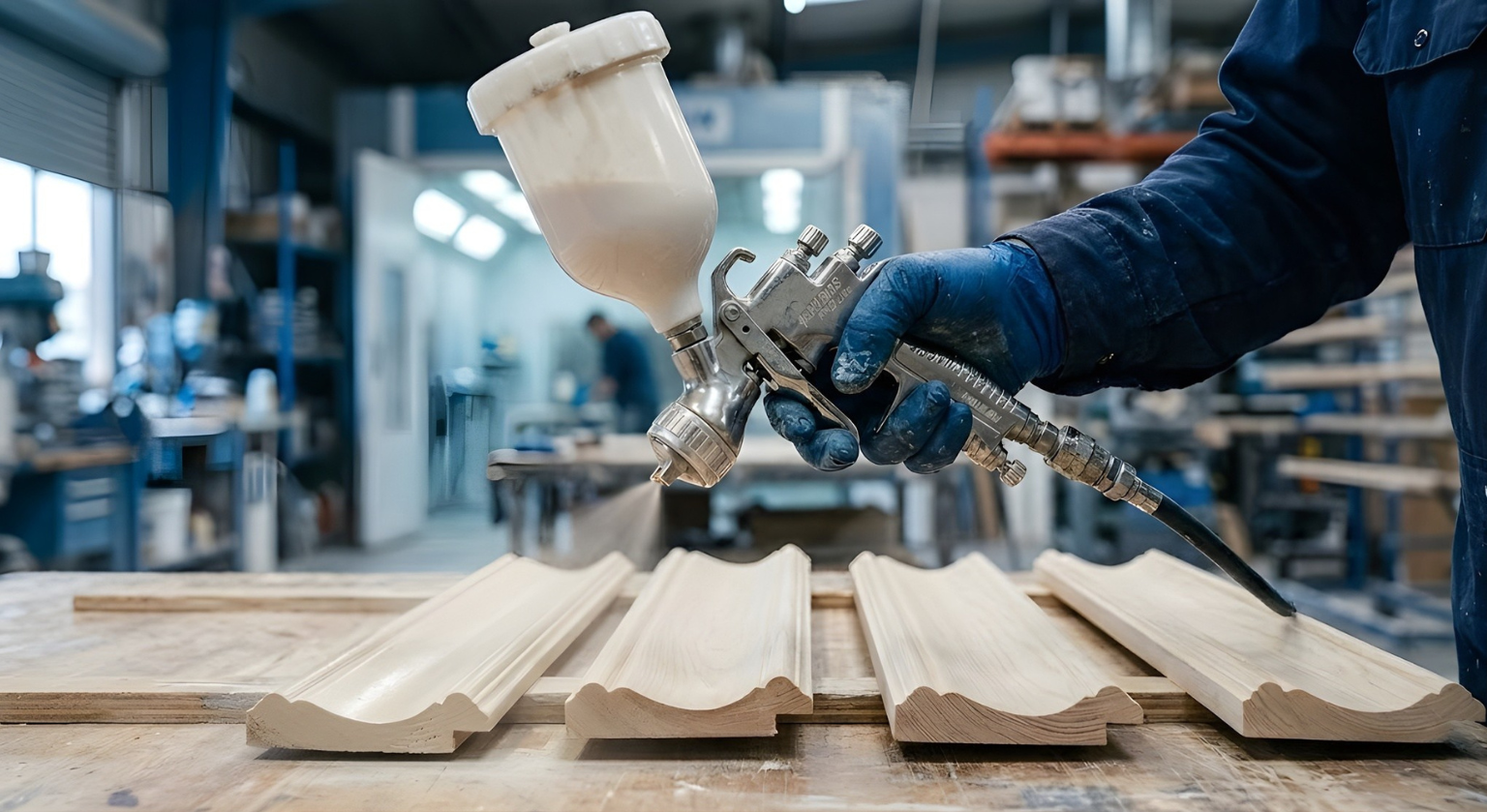
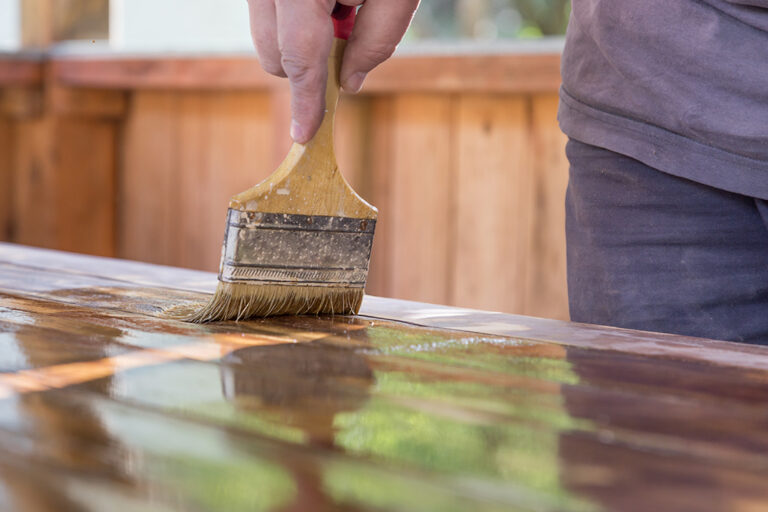
Stir the product thoroughly before use, avoiding excessive shaking to prevent bubble formation. Apply in thin, even coats using brushes, rollers, or spray equipment made of corrosion-resistant materials. Allow proper drying time between coats, and avoid application at temperatures below 10°C or above 30°C.
Drying and finishing
Drying time varies depending on ambient conditions. Dust-free drying occurs within 30–60 minutes, and intermediate sanding can be done after 2–4 hours. Apply 2–3 coats for optimal protection. For maximum durability, allow the surface to fully cure for 5–7 days before heavy use.