
Polyurethane lacquers
Product description
The term polyurethane lacquers (PUR lacquers) refers to coatings in which the protective film forms through the reaction between polyisocyanates and polyols or polyamines. These lacquers belong to the high-end category of finishing materials currently available on the market.
In traditional two-component systems, the two components are produced and stored separately, and mixed only immediately before use in a stoichiometric ratio. From the moment they are combined, the chemical reaction begins. Depending on the formulation, the user has a limited working time (gel time), which can be up to 3 days.
Main features
- Easy application
- Excellent mechanical resistance
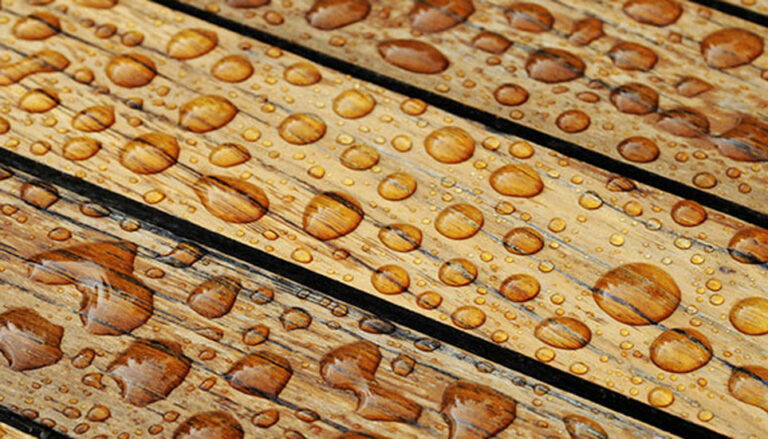
- Superior chemical resistance
- Quality comparable to special oven-cured lacquers
- Wide variety of formulations and applications
- Exceptional long-term durability
Field of use
Due to the wide variety of raw materials used in this product category, the field of use is extremely broad.
In the furniture industry, PUR lacquers are used for high-quality and high-value surfaces, suitable for both open-pore and closed-pore finishes.
Specific applications
Ideal for living room, kitchen, and office furniture, doors, and other surfaces that require high resistance and a premium appearance.
Recommended for high-quality projects where durability and aesthetic appeal are top priorities.
Application instructions
Surface preparation
The surface must be perfectly clean, dry, and properly sanded. Remove all sanding dust completely. For open-pore wood species, it is recommended to use a dedicated PUR-based filling primer. The wood moisture content should be between 8–12%.
Preparation and application
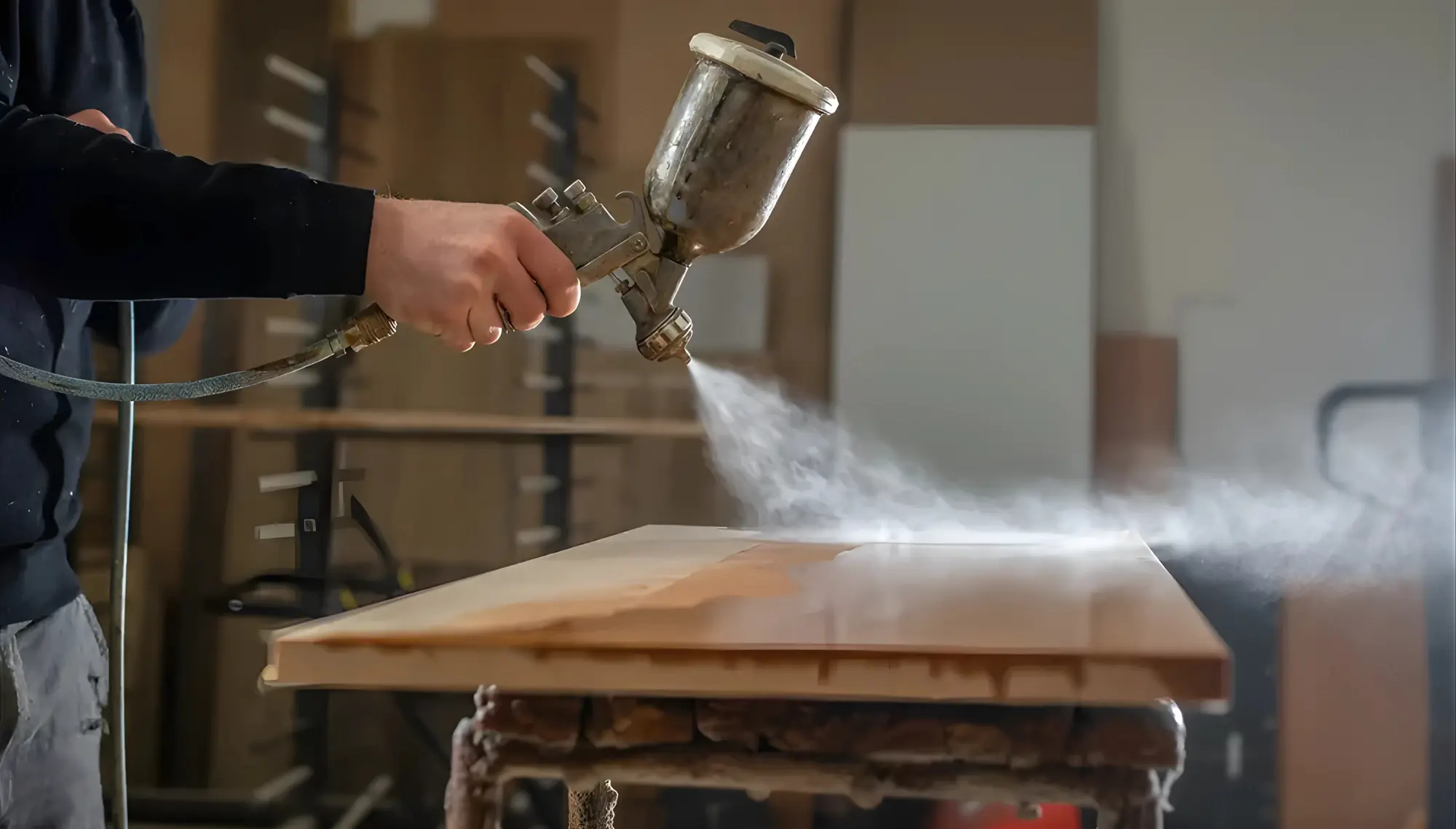
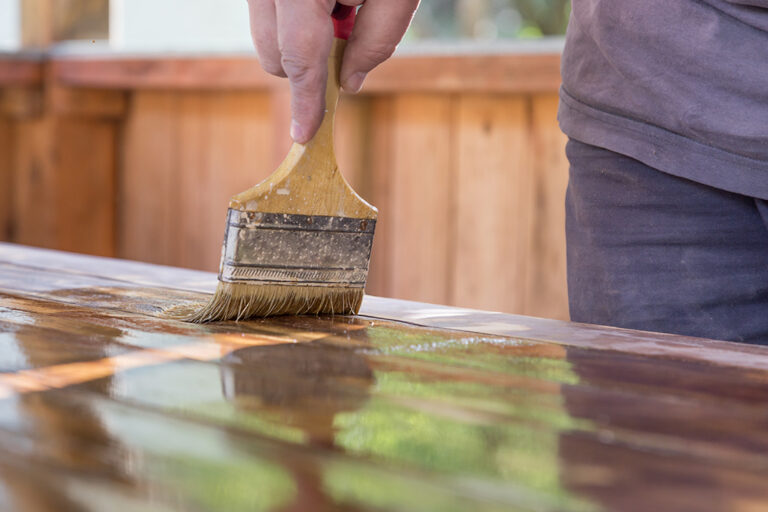
Thoroughly mix components A and B in the ratio specified by the manufacturer. Use a precise measuring tool to ensure the correct proportions. After mixing, respect the specified gel time. Apply by spraying, brushing, or rolling, depending on the product type and technical recommendations.
Drying and finishing
Drying time varies depending on the product, layer thickness, and environmental conditions. Dust-free drying occurs within 30–60 minutes. Intermediate sanding can be performed after 4–8 hours. For maximum durability, allow the surface to fully cure for 7–14 days before heavy use.